
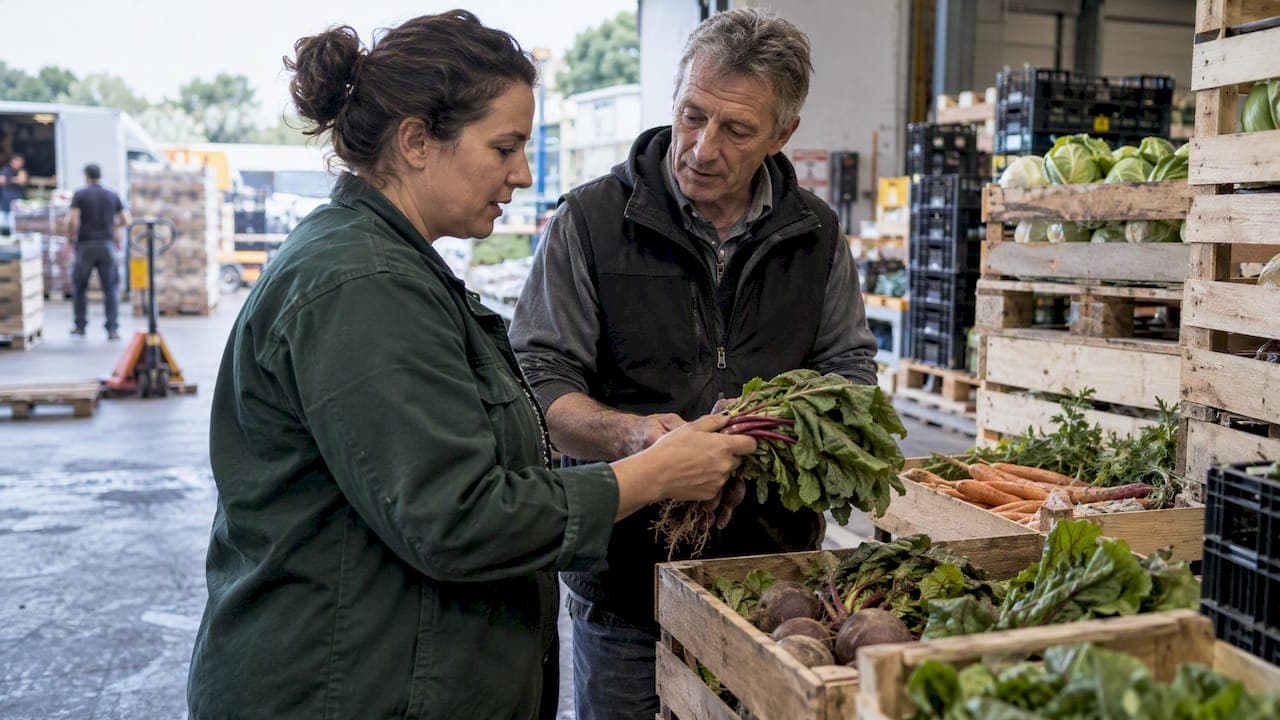
Fixing central kitchen purchasing starts with four priorities: an approved supplier list, real-time inventory visibility, scheduled bulk buying, and automated reorder points. Get these right, and emergency purchases drop, margins steady out, and product specs stay consistent across every site you supply. Everything else in procurement builds on these four fixes.
TL;DR:
- Review approved suppliers at least annually, but revisit the Kraljic matrix quarterly because changing supply risks can shift negotiation priorities.
- Connect recipe usage to live stock counts and SKU par levels, then check stock across locations before shortages require emergency orders.
- Pilot software with high volume, high risk items and limited suppliers; measure lead times and emergency purchases for 60 to 90 days before expanding.
- Train receiving staff to verify specifications, cold item temperatures, and batch codes at delivery, and reject nonconforming stock before it enters storage.
Table of Contents
- Why Centralized Purchasing Matters for Central Kitchens
- Core Purchasing Process and Policy for a Central Kitchen
- Inventory Control and Ordering Systems That Cut Emergency Buys
- Supplier Quality Assurance and Compliance Requirements
- Cost Control Tactics: Buying Strategy and Fewer Unscheduled Purchases
- Practical Checklist for Choosing and Rolling Out Purchasing Technology
- Staff Training and Roles in Central Kitchen Purchasing
- Sustainability Considerations in Procurement
- Practitioner Perspective: Start Small, Prove Value, Scale
- How PantryHub Supports Central Kitchen Purchasing
- FAQ
- Sources
Why Centralized Purchasing Matters for Central Kitchens
A central kitchen earns its name by consolidating buying power, and that consolidation pays off fast. Bulk orders placed against contract pricing cost less per unit than the small, reactive purchases that come from running out of stock mid-shift. Fewer emergency buys also mean fewer markup prices paid out of panic.
The operational payoff runs deeper than unit cost. When every outlet draws from the same purchasing policy and the same approved suppliers, recipes taste the same whether they're plated in one venue or five. That consistency protects your brand and reduces the staff time spent chasing substitute ingredients.
Centralized purchasing also frees up budget for things that compound savings over time:
- Better refrigeration and storage equipment that cuts spoilage.
- Inventory software that replaces manual stocktakes with real-time counts.
- Data-driven ordering that tightens par levels instead of guessing them.
Core Purchasing Process and Policy for a Central Kitchen
A purchasing policy only works when it's written down and followed, not left to whoever is on shift when stock runs low. Build the process around three stages.
- Set approval levels and rules. Define who can approve a purchase order at what dollar value, and require sign-off above a set threshold.
- Maintain an Approved Supplier list. Document supplier assessments and review the list at least annually, consistent with Freshcare's supplier management standard, which also calls for purchase records that include batch identification where relevant.
- Segment SKUs with a Kraljic-style matrix. Rank items by profit impact and supply risk so negotiation time goes to the ingredients that matter most, not the ones that are easiest to chase.
- Define the PO lifecycle. Spell out order creation, supplier confirmation, delivery, and a receiving checklist that verifies specs, captures batch and lot numbers, and requires a sign-off before stock moves into storage.
Building this out from scratch is easier with a template; our guide on building a kitchen supplier database walks through the fields worth tracking for each approved vendor.
Pro Tip: Review your Kraljic matrix every quarter, not once a year. Supply risk shifts faster than most purchasing policies account for.
Inventory Control and Ordering Systems That Cut Emergency Buys
Most emergency purchases trace back to the same root cause: nobody saw the shortage coming. The fix is a system that connects usage to stock levels in real time, not a weekly count on a clipboard.
Look for these capabilities when you assess a system:
- Real-time stock counts that update as items are used, not just when someone remembers to check.
- Par levels set per SKU so reorder points trigger before you run out.
- Recipe-linked usage that deducts ingredients automatically as dishes are sold.
- Multi-site visibility so a shortage at one location can be covered from another before it becomes urgent.
Receiving discipline matters just as much as ordering discipline. Capturing lot and batch numbers at the dock, reconciling them against the purchase order, and keeping that data searchable is what makes a recall manageable instead of a scramble. Supplier integrations, whether through API, EDI, or a simple ordering portal, turn demand forecasts into regular scheduled deliveries rather than one-off calls to the supplier when the shelf looks bare. Our breakdown of cloud-based kitchen management covers how remote visibility changes day-to-day ordering decisions.
Supplier Quality Assurance and Compliance Requirements
Procurement decisions carry food safety weight, and the baseline expectations are well documented. FSANZ's Safe Food Australia guide sets out Chapter 3 controls covering receipt, storage, processing, transport, and recordkeeping, and your purchasing policy should translate those controls into supplier-facing requirements like receiving temperatures, packing dates, and batch codes on every delivery docket.
Beyond the regulatory floor, supplier documentation should include:
- HACCP or GFSI-based food safety program evidence.
- Written product specifications matched against what actually arrives.
- Current test results, certificates of analysis, and insurance documentation.
- Traceability records that connect each batch back to its source.
Measure supplier performance against delivery accuracy, on-time rates, and documentation completeness, then fold that scorecard into the annual re-approval process required under HARPS and Freshcare supplier management guidance. Our food safety audit checklist is a practical starting point for building that review into a repeatable routine.
Cost Control Tactics: Buying Strategy and Fewer Unscheduled Purchases
Price volatility and last-minute buying both drain margin, and both respond to the same discipline.
- Lock in contract pricing and scheduled delivery windows for your core, high-volume SKUs.
- Negotiate order minimums and delivery cadence up front so suppliers plan around your schedule, not the reverse.
- Use demand forecasting and a modest safety stock buffer to consolidate small orders into fewer, larger ones.
- Apply Kraljic segmentation to focus negotiating effort on the items with the highest margin or supply risk impact; a study on Kraljic-based purchasing found that combining this segmentation with improved stowage and scheduled buying substantially cuts unscheduled purchases and cost overruns in prepared-food supply operations.
Practical Checklist for Choosing and Rolling Out Purchasing Technology
Buying software without a rollout plan is how good tools end up half-used. Work through this sequence instead.
- Build a feature checklist. Confirm multi-site visibility, supplier integration, receiving and lot tracking, reporting, and mobile-friendly receiving before you sign anything.
- Run a pilot. Start with a core set of SKUs and one or two supplier connections rather than your full catalog.
- Measure over 60 to 90 days. Track lead times and the drop in emergency purchases against your pre-pilot baseline.
- Expand once the numbers hold up. Add suppliers, SKUs, and sites only after the pilot shows a measurable improvement.
- Train and assign ownership. Set clear PO rules, name who owns each supplier relationship, and agree on the KPIs you'll monitor monthly.
Pro Tip: Pilot with your highest-volume, highest-risk SKU category first. That's where automation shows its value fastest and where staff buy-in matters most.
For a closer look at how ordering platforms fit into daily kitchen workflow, our guide on food ordering platforms covers the integration side in more detail. Multi-location groups juggling order consolidation across venues may also find value in RESTOBOT's playbook on multi-location menu management, which addresses the administrative load of keeping menus and orders aligned across sites.
Staff Training and Roles in Central Kitchen Purchasing
A purchasing system is only as reliable as the people operating it. Assign clear ownership early: one person (or a small team) should own supplier relationships and purchase order approval, while receiving staff own the checks that happen at the dock.
Receiving staff need specific training, not general onboarding. They should know how to check deliveries against written product specifications, confirm batch and lot numbers, verify temperatures on cold items, and refuse stock that fails any of those checks. Skipping this step is one of the most common causes of recall risk and operational disruption, because a problem that isn't caught at the door becomes a problem that's already mixed into prep.

Kitchen managers and chefs should be trained on par levels and reorder triggers so they understand why the system flags a shortage before it becomes visible on the line. When staff understand the "why" behind an alert, they act on it instead of overriding it.
Finally, build a simple escalation path: who approves an emergency purchase when one is genuinely unavoidable, and who reviews it afterward to see if it could have been prevented. That feedback loop is what turns training into a habit instead of a one-time session.
Sustainability Considerations in Procurement
Procurement decisions shape your waste and environmental footprint as much as your menu does. Sourcing from suppliers closer to your kitchen cuts transport emissions and often improves freshness on arrival, which in turn reduces spoilage before the product even reaches the line.
Waste reduction starts with accurate forecasting. Over-ordering perishables to avoid a stockout is one of the most common sources of avoidable waste in a central kitchen, and it's also one of the easiest to fix once par levels and recipe-linked usage are tracked properly. Consolidating orders into scheduled deliveries, rather than frequent small ones, also cuts packaging waste and the emissions tied to extra delivery trips.
Centralized buying gives you leverage to ask suppliers for better packaging options, bulk formats that reduce single-use containers, and delivery schedules that consolidate trips across multiple product lines. None of this requires sacrificing quality or consistency. It just requires building sustainability criteria into the same supplier scorecards you already use for pricing and reliability.
Practitioner Perspective: Start Small, Prove Value, Scale
The biggest mistake we see is trying to overhaul every supplier relationship and every SKU at once. Start narrow: pick the ingredients that drive the most waste or the most emergency buys, fix those first, and measure the result.
Once that narrow pilot shows fewer emergency purchases and steadier costs, the case for expanding governance and automation to the rest of your purchasing makes itself.
— Admin
How PantryHub Supports Central Kitchen Purchasing
Everything in this playbook, approved supplier control, real-time stock visibility, scheduled ordering, works better when the software behind it was actually built for kitchens. That's the gap we built PantryHub to close.
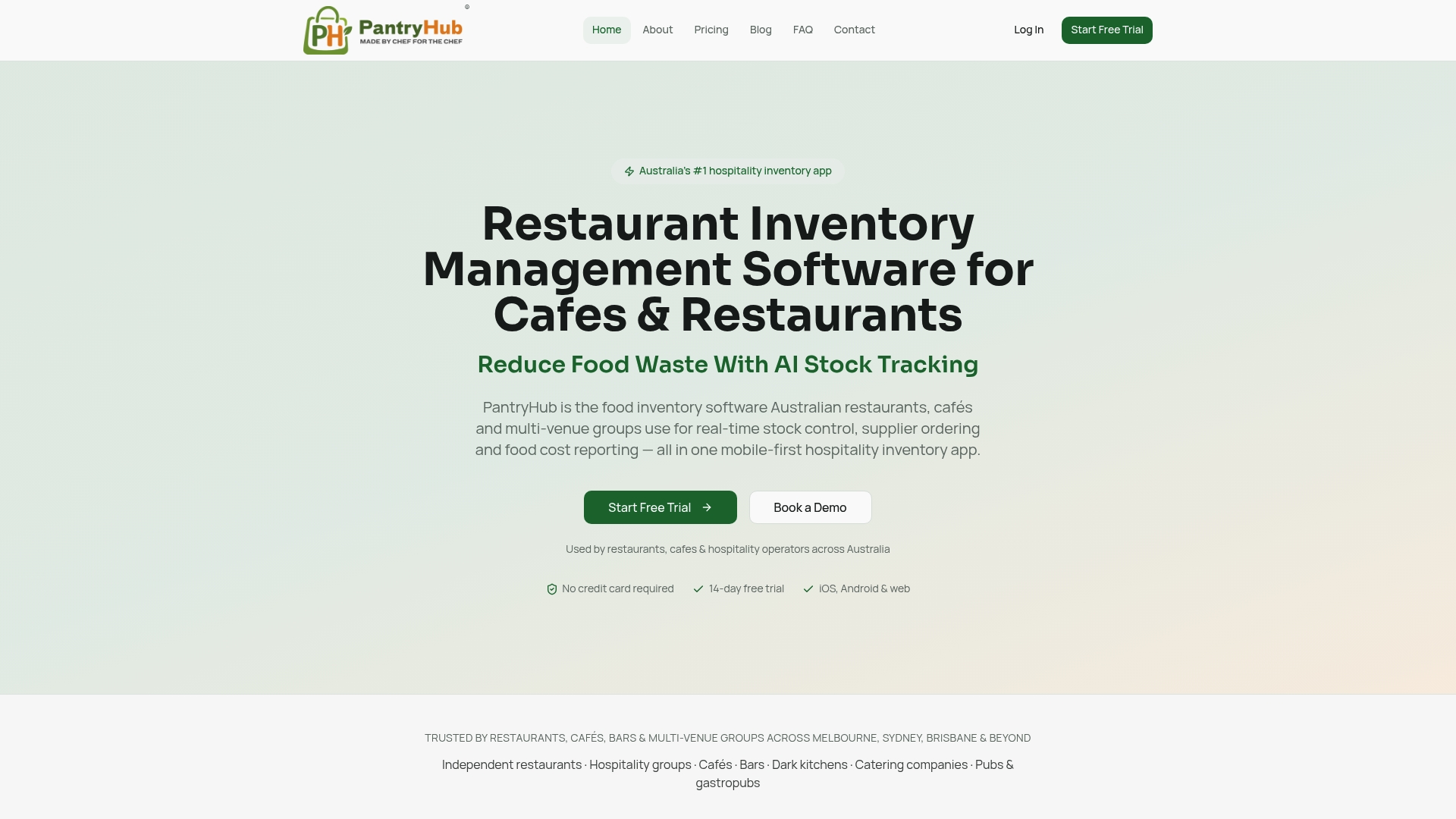
- Smart inventory tracking with low-stock alerts that flag shortages before they become emergency orders.
- Supplier ordering built into the same platform you use to track stock, so reordering doesn't mean switching tools.
- Multi-site visibility for teams running more than one kitchen or venue.
- Pricing in local currency and support designed to suit central kitchen workflows.
Plans start at $39 AUD per month on the Starter tier, with Regular and Pro tiers available as your supplier list and site count grow. If you'd rather see it running against your own SKUs first, you can start a free trial before committing to a plan.
FAQ
What is central kitchen purchasing?
Central kitchen purchasing is the process of sourcing, ordering, and managing food and supplies for a kitchen that produces for multiple outlets or venues from one location. It typically combines an approved supplier list, standardized purchasing policy, and inventory tracking to keep costs and quality consistent across every site served.
How does an Approved Supplier list reduce risk?
An Approved Supplier list limits purchasing to vendors who have passed a documented assessment, which keeps unverified suppliers out of your supply chain. Guidance from Freshcare's supplier standard recommends reviewing that list at least annually and keeping purchase records with batch identification.
What is Kraljic segmentation and why does it matter for food purchasing?
Kraljic segmentation sorts purchased items by profit impact and supply risk, so procurement teams know which SKUs deserve the most negotiating attention. Research applying this model to food purchasing found it reduces unscheduled purchases and cost overruns when combined with scheduled buying.
What should a receiving checklist include?
A solid receiving checklist verifies delivered items against the purchase order's written specifications, checks temperatures on cold and frozen goods, and records batch or lot numbers before stock is accepted into storage. This matches the recordkeeping and control expectations set out in FSANZ's Safe Food Australia guide.
How much does PantryHub cost for a central kitchen?
PantryHub's Starter plan is $39 AUD per month, with Regular at $69 AUD per month and Pro at $99 AUD per month, each scaling with venue count and feature access. A free trial is also available for teams who want to test the platform before choosing a plan.
Sources
- A Guide to the Food Safety Standards: Safe Food Australia (4th edition)
- Freshcare Food Safety & Quality Standard Edition 5 (2026)
- Application of Kraljic and stowage techniques to reduce purchasing cost overruns