
Cloud-based kitchen management is defined as the use of internet-hosted software to control orders, inventory, menus, and reporting across one or more commercial kitchen locations. The benefits of cloud-based kitchen management are concrete and measurable: faster order processing, tighter cost control, and the ability to run multiple virtual brands from a single kitchen. Australian operators using platforms like Eats365 and tools built for delivery-heavy environments are already seeing these gains. The industry term for this category is "cloud kitchen management software," and it covers everything from kitchen display systems to recipe-linked inventory tracking. This article breaks down exactly what you get when you make the switch.
1. How cloud-based kitchen management fixes multi-platform order chaos
The biggest operational headache for delivery-focused kitchens is managing orders from Uber Eats, DoorDash, and Menulog on separate tablets at the same time. This is called "tablet hell," and it is the fastest way to miss dockets, delay orders, and generate refund requests during peak service. Integrating multiple delivery platforms into a unified management system prevents this problem entirely.
A unified cloud POS consolidates every incoming order into one dashboard, regardless of which platform the customer used. Kitchen display systems then route each order to the correct station and batch similar items together. The result is a kitchen that runs on one source of truth instead of three or four competing screens.
- Orders from all platforms appear in one queue, color-coded by platform and urgency
- KDS routing sends burger orders to the grill station and salads to the cold prep area automatically
- Batching logic groups similar items across different orders to reduce cooking time
- Managers see real-time order status without walking the floor
Pro Tip: Set up your KDS to display estimated completion times per station. When one station falls behind, you catch the bottleneck before it cascades into late orders across the board.
Unified cloud-based POS systems cut order handling time by up to 30%, reducing manual entry errors and the late dockets that trigger refunds. That single number represents real money recovered on every shift.
2. Real-time inventory control and recipe costing
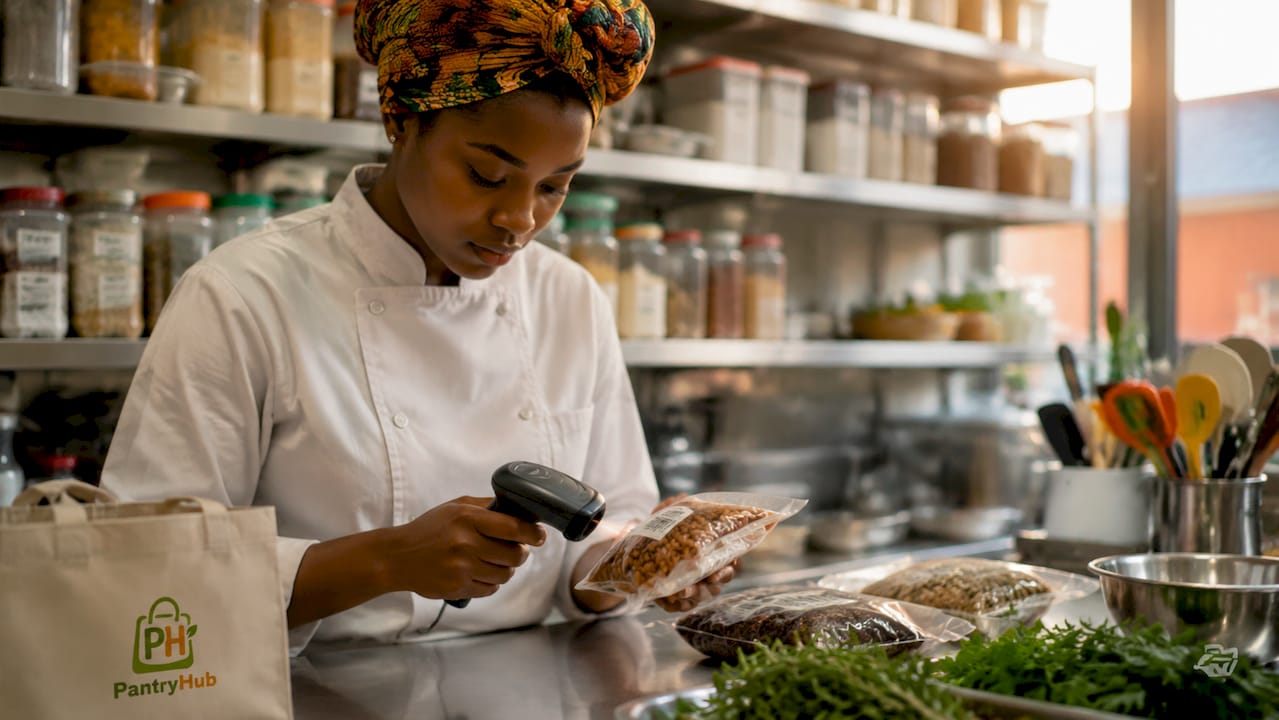
Recipe-linked inventory is the feature that separates serious cloud kitchen software from basic order management tools. Every time an order is confirmed, the system automatically deducts the exact ingredients used based on the recipe. Automated inventory updates and low-stock alerts reduce out-of-stock cancellations and food waste without requiring a staff member to manually count stock mid-service.
The financial case for this feature is strongest when you factor in delivery platform fees. Platform commissions in Australia range from 25% to 35% of order value. At that margin compression, knowing your exact food cost per dish is not optional. It is the difference between a profitable delivery operation and one that looks busy but loses money.
| Cost factor | Without cloud tools | With cloud tools |
|---|---|---|
| Food cost visibility | Manual, weekly at best | Real-time, per order |
| Low-stock detection | Discovered during service | Alerted before service |
| Waste tracking | Estimated or ignored | Logged and reportable |
| Recipe cost accuracy | Spreadsheet-based | Auto-calculated per sale |
- Low-stock alerts trigger before you run out, not after a cancellation
- Packaging costs and delivery commissions can be built into recipe cost calculations
- Multi-brand kitchens get pooled reporting across all brands in one view
- Stocktakes become faster because the system tracks movement continuously
Pro Tip: Build your delivery platform commission directly into your recipe cost model. If a dish costs $8 to make and the platform takes 30%, you need to price it above $11.43 just to break even before labor.
For Australian operators managing inventory across multiple venues, cloud tools make consolidated reporting possible without spreadsheets or manual data entry.
3. Scalability across brands, cities, and platforms
Cloud kitchen software enables operations to scale across new cities or delivery platforms without the cost of a physical storefront. This is the core advantage for operators running virtual brands. You can test a new concept, a new menu, or a new city market without signing a lease or hiring a full team.
Centralized menu management allows price and availability updates to be pushed once across all sales channels simultaneously. If you need to 86 an item because a supplier is out of stock, you update it in one place and it disappears from Uber Eats, DoorDash, and Menulog within minutes. That speed eliminates the customer complaints and refunds that come from selling items you cannot actually make.
- Launch a new virtual brand by creating a menu in the software, not by building a new kitchen
- Test price changes on one platform before rolling them out across all channels
- Analytics dashboards show which brands, dishes, and time slots generate the most revenue
- Demand forecasting helps you plan prep quantities and reduce end-of-day waste
Successful cloud kitchens operate multiple virtual brands from one kitchen using software that pools orders, manages menus, and consolidates reporting. Queensland operators running two or three brands from a single site are already using this model to multiply revenue without multiplying overhead.
4. Cost savings through reduced labor and fewer errors
Manual processes cost money in two ways: the labor hours spent on them and the errors they produce. Cloud kitchen management software cuts both. Smarter rostering and order forecasting allow managers to plan staffing based on predicted order volumes, reducing overtime and idle time on slow shifts.
The cost savings from error reduction are equally significant. A missed docket means a refund. A late order means a one-star review. A wrong item means a replacement dish and a dissatisfied customer. Cloud systems reduce all three by removing manual steps from the order flow.
- Unified POS eliminates manual re-entry of orders from delivery apps
- Automated inventory deduction removes the need for mid-service stock checks
- KDS routing reduces verbal communication errors between front and back of house
- Demand forecasting cuts overordering, which directly reduces food waste costs
- Digital reporting replaces manual end-of-day reconciliation
Cloud kitchen technology is now the core driver of speed, customer satisfaction, and profitability rather than just a support tool. Operators who treat it as a nice-to-have are competing at a structural disadvantage against those who have built their operations around it.
The labor savings compound over time. When your team spends less time on manual tasks, they spend more time on food quality and speed. That shift shows up in your ratings, your repeat order rate, and your bottom line.
5. Improved kitchen efficiency through data and forecasting
Data is the most underused asset in most commercial kitchens. Cloud management systems collect order data continuously and surface it in dashboards that show peak hours, best-selling items, and station throughput. That data turns gut-feel decisions into decisions backed by evidence.
Order forecasting is the practical output of that data. If your system shows that Friday nights between 6 p.m. and 8 p.m. generate 40% of your weekly delivery volume, you can prep accordingly, schedule your best staff, and avoid running out of your top-selling items. Tight margin control and delivery-specific menu pricing are what separate cloud kitchens that succeed from those that fail despite high order volumes.
Analytics also expose underperforming menu items faster than any manual review. If a dish has a high food cost and low order frequency, the data tells you to cut it or reprice it. That decision used to take a month of observation. Cloud tools surface it in a week.
For operators across Sydney, Melbourne, and Brisbane, mobile stock management adds another layer of control. You can check stock levels, approve orders, and review performance from your phone without being on-site.
Key takeaways
Cloud-based kitchen management software delivers its strongest returns when order consolidation, recipe-linked inventory, and demand forecasting are used together rather than in isolation.
| Point | Details |
|---|---|
| Unified order management | Consolidating Uber Eats, DoorDash, and Menulog into one dashboard cuts handling time by up to 30%. |
| Recipe-linked inventory | Automatic stock deduction per order prevents waste and out-of-stock cancellations during service. |
| Delivery margin modeling | Australian platform fees of 25–35% make real-time food cost tracking a financial necessity. |
| Scalable brand management | Centralized menu updates across all platforms let you launch or adjust virtual brands in minutes. |
| Data-driven labor planning | Order forecasting reduces overtime and idle time by aligning staffing to predicted demand. |
What I've learned deploying cloud kitchen systems in Australia
The operators who get the most from cloud kitchen software are not the ones with the most features turned on. They are the ones who model their delivery economics before they go live. Most beginners set their menu prices based on dine-in margins and then discover that ignoring platform commission fees in pricing destroys profitability even when order volumes look strong.
The second mistake I see constantly is treating cloud software as a fix for a disorganized kitchen. It is not. If your recipes are not costed, your supplier relationships are inconsistent, and your team has no standard operating procedures, the software will just make the chaos faster. Get your fundamentals right first, then let the technology amplify them.
The third thing worth saying: do not buy a system because it has the most integrations. Buy it because your team will actually use it. I have watched expensive platforms sit underused because the interface was too complicated for a kitchen team working a Friday night rush. Simplicity and reliability beat feature count every time.
The upside, when you get it right, is real. A kitchen running a unified POS, recipe-linked inventory, and demand forecasting is a fundamentally different business from one running on tablets and spreadsheets. The gap in profitability and operator sanity is significant.
— Admin
How Pantryhub supports cloud-based kitchen operations
Pantryhub is built specifically for Australian restaurants, cafés, and commercial kitchens that need real-time inventory control without the complexity of enterprise software.
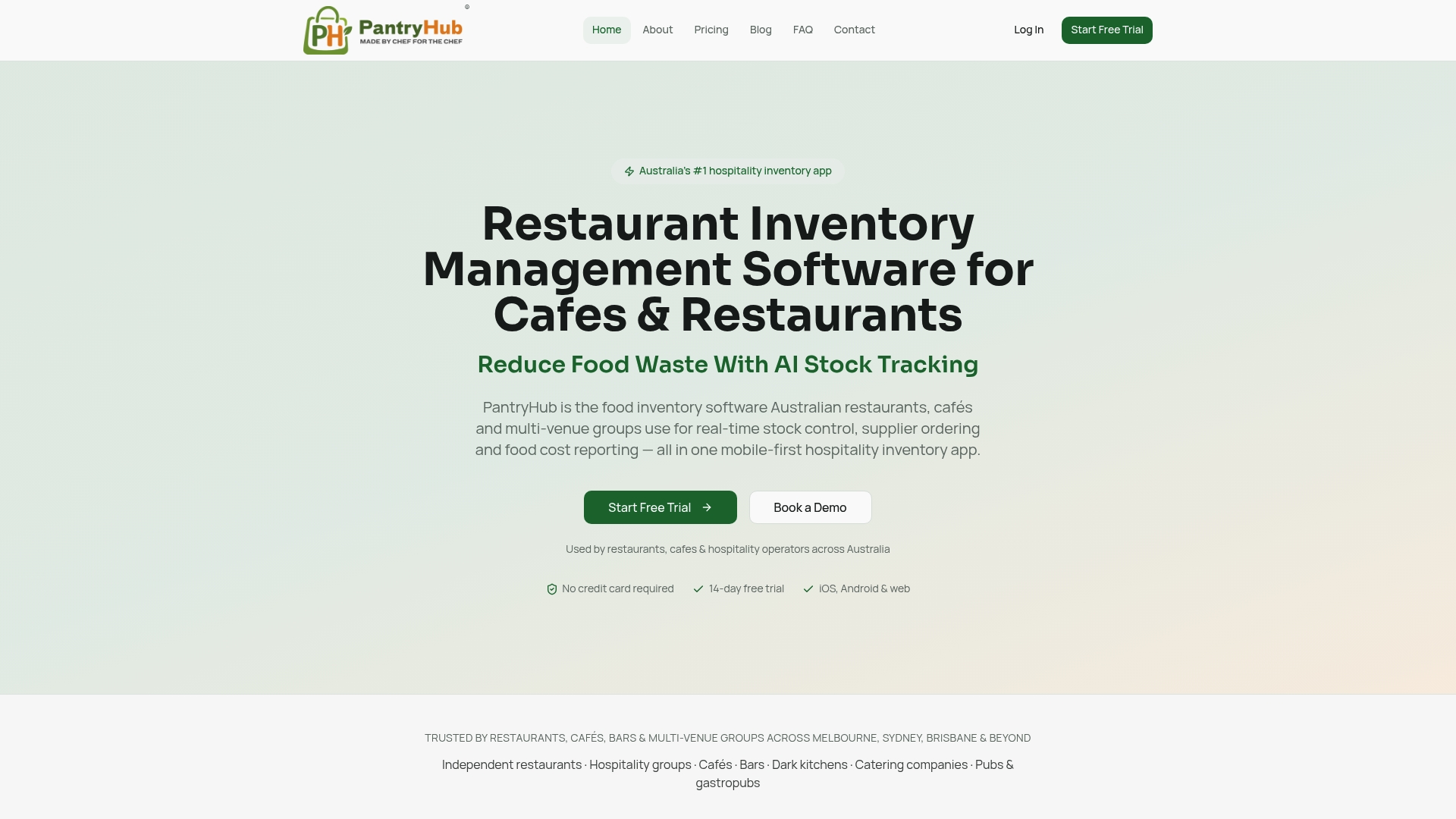
Pantryhub connects stock management, supplier ordering, and recipe costing in one platform. Low-stock alerts fire before service, not during it. Multi-location operators get consolidated reporting across every site from a single dashboard. The platform is designed to be used by kitchen teams, not just managers, which means adoption is faster and data stays accurate. If you are running a delivery-heavy operation or managing multiple brands from one kitchen, Pantryhub's hospitality inventory software gives you the cost visibility and stock control that delivery margins demand. You can also explore inventory solutions for Australian restaurants to compare options before committing.
FAQ
What are the main benefits of cloud-based kitchen management?
Cloud-based kitchen management reduces order errors, cuts food waste through real-time inventory tracking, and enables centralized control of menus and multiple brands from one location. The biggest measurable gain is a reduction in order handling time of up to 30%.
How does cloud kitchen software handle multiple delivery platforms?
It consolidates orders from platforms like Uber Eats, DoorDash, and Menulog into a single dashboard, eliminating the need for separate tablets and reducing manual entry errors during peak service.
Why is recipe costing critical for delivery kitchens in Australia?
Australian delivery platforms charge commissions of 25% to 35% per order. Without recipe-linked cost tracking, operators cannot accurately price menus for delivery and risk losing money on every sale despite high order volumes.
Can cloud kitchen tools support multiple virtual brands?
Yes. Successful cloud kitchens run multiple virtual brands from one kitchen by using software that pools orders, manages separate menus, and consolidates performance reporting across all brands in one view.
Is cloud kitchen software suitable for smaller venues in Queensland?
Cloud kitchen management software scales to any size operation. Smaller Queensland venues benefit from the same order consolidation, inventory alerts, and menu management features as large multi-site operators, often with lower entry costs than traditional POS systems.