

For kitchen operations, we recommend applying the principle of least privilege: role templates for everyday access, plus task-level overrides tied to training records. This baseline cuts down on order mistakes, keeps supplier and financial data locked to the right people, and gives you a clean audit trail when an inspector or an owner asks who touched what, and when.
TL;DR:
- Permissions for high-risk tasks like ordering and reporting should be locked down first to prevent fraud and costly errors.
- A hybrid access model using role templates for common permissions plus attribute gates for sensitive actions balances simplicity and security.
- Regular testing with negative-control accounts and quarterly permission reviews help prevent privilege creep and detect misconfigurations early.
- Granting access based on staff training completion ensures compliance with food safety regulations and maintains audit readiness.
- Centralized permission management, tied to training records and shift schedules, avoids unmanageable role proliferation and enforces least privilege.
Table of Contents
- Where permissions apply in your kitchen and POS systems
- Permission models explained: RBAC, ABAC, and a practical hybrid for kitchens
- Step-by-step implementation checklist for kitchen and POS systems
- Using permissions to support food-safety training obligations
- Testing, auditing, and troubleshooting permission configurations
- PantryHub perspective: operational lessons and common operator mistakes
- Try PantryHub for role-based access and audit-ready logs
- FAQ
- Sources
Where permissions apply in your kitchen and POS systems
Kitchen user permissions govern two separate things: who someone is (authentication) and what they're allowed to do once they're logged in (authorization). Most operators nail the first and skip the second, which is how a casual line cook ends up with the same access as a shift manager.
Start by mapping every point where a staff member can take an action that costs you money or creates risk:
- Menu and pricing edits, including discounts and comps
- Inventory adjustments and stocktake overrides
- Supplier ordering and purchase approvals
- Financial and sales reports
- Temperature and food-safety logs
- Physical access to cool rooms, dry stores, and back-office doors
Lock down ordering, reporting, and financial permissions first. These carry the highest risk of fraud or costly errors, and they're also the ones owners notice first when something goes wrong.
Permission models explained: RBAC, ABAC, and a practical hybrid for kitchens
Role-Based Access Control (RBAC) assigns permissions by job title: chef, sous, line cook, server, manager. It's simple to set up and easy for staff to understand, which makes it a solid starting point for a single venue with a stable team.
Attribute-Based Access Control (ABAC) goes further, granting or denying access based on conditions like training status, current shift, or location. ABAC matters once you have multiple sites or staff who rotate between stations and need different access depending on context.
For most kitchens, a hybrid works best: role templates for the baseline, with attribute gates layered on top for sensitive tasks.
- Use role templates for standard, everyday permissions
- Add attribute gates (training completed, rostered shift, venue location) for high-risk actions
- Avoid creating a new role for every exception, which leads to role explosion and unmanageable permission sprawl
This approach lines up with OWASP's authorization guidance, which recommends designing around least privilege and denying access by default rather than granting broadly and trying to restrict later.
Pro Tip: Name roles after the job, not the person. "Sous Chef" survives a staff change; "Dave's Account" doesn't.
Step-by-step implementation checklist for kitchen and POS systems
Rolling out permissions properly takes a bit of upfront work, but it pays off the first time you avoid a costly mistake or breeze through an audit.
- Inventory every system staff touch, from POS to inventory software to door access, and list the actions each one allows.
- Define job-role templates using generic labels like line cook, sous chef, or manager rather than named individuals.
- Configure templates centrally in the back office. Never build or edit permissions from a kitchen display or public-facing terminal.
- Tie sensitive grants to training records, so access to high-care tasks only unlocks once certification is on file.
- Set shift-based access where it makes sense, so permissions activate only during a rostered shift.
- Enable detailed logs for every permission-gated action, including timestamps and user IDs.
- Run acceptance testing using a negative-control account, a deliberately low-privilege login, to confirm restricted actions are actually blocked.
- Document every change in a maintained change log, including who approved it and why.
OWASP's design guidance for access control flags hard-coded checks and open-by-default settings as common failure points that lead directly to privilege creep and authorization bypasses, which is exactly what a negative-control test is designed to catch.
Using permissions to support food-safety training obligations
Permissions aren't just an IT setting, they're a compliance tool. Under Standard 3.2.2 of the Food Standards Code, food businesses must ensure anyone undertaking or supervising food handling has skills and knowledge commensurate with their duties. That's a direct mandate to gate access by training, not just job title.

National training units like SITXFSA006 spell out the competencies expected for safe food handling, and they give you a defensible standard to point to when deciding who gets access to high-care zones or food-safety logs.
Practical steps:
- Require documented training completion before granting access to high-care tasks or records
- Schedule revalidation at set intervals, not just once at onboarding
- Keep logs that tie access events to training records, so an inspector can see who was qualified and when
Our club kitchen compliance guide walks through how these controls fit into broader hygiene procedures.
Testing, auditing, and troubleshooting permission configurations
Permissions that aren't tested are permissions you're guessing about. A regular testing and audit routine catches mistakes before an inspector or a disgruntled former employee does.
- Run negative-control tests monthly using a deliberately restricted login to confirm blocked actions stay blocked.
- Review logs on a set cadence, watching for suspicious exports, off-hours logins, or access outside someone's rostered shift.
- Conduct quarterly permission reviews to catch privilege creep, the slow buildup of access rights nobody remembers granting.
- Troubleshoot common issues methodically: missing menu items usually trace to a role template gap, denied reports usually mean an attribute gate is misconfigured.
Access logs tied to badge or biometric entry systems can double as audit evidence when they're linked to training completion records, giving you a paper trail without extra paperwork.
Pro Tip: Keep one dedicated negative-control account active at all times. It's the fastest way to catch a misconfiguration before a real staff member does.

PantryHub perspective: operational lessons and common operator mistakes
The most common mistake we see is managers granting "manager access" to everyone who's been around a while, out of convenience rather than need. It feels efficient until a pricing error or a bad stock adjustment has no clear owner.
The fix is almost always the same: role templates matched to actual job duties, with training records gating anything sensitive. Our team management features support exactly this kind of structure, letting you assign access by role rather than rebuilding permissions for every new hire.
Pair that with our inventory audit guidance and you've got a repeatable process rather than a one-off fix.
— Admin
Try PantryHub for role-based access and audit-ready logs
We built PantryHub's team management tools specifically for kitchens that need clear, role-based control without the complexity of enterprise access systems.
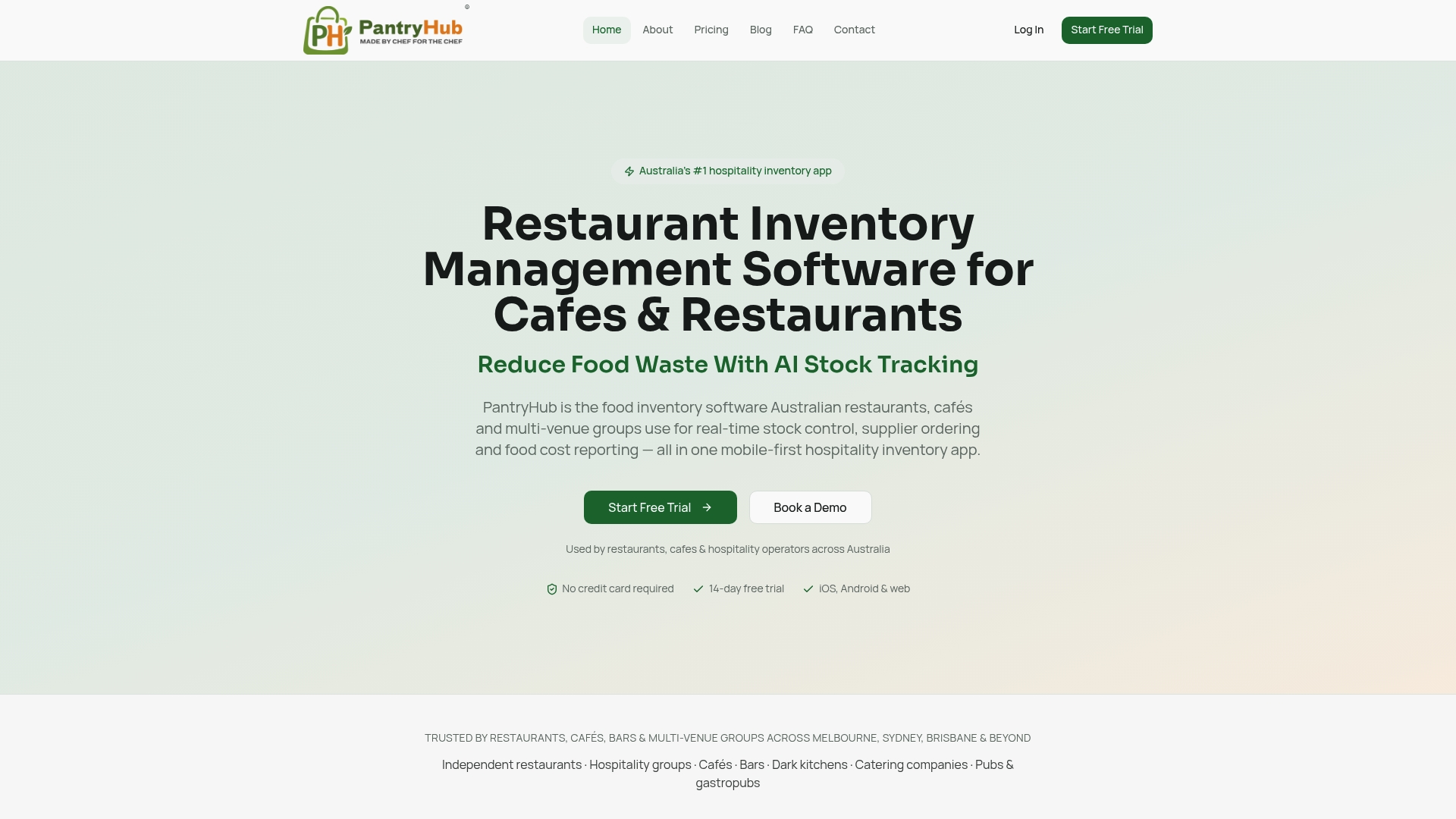
- Role templates that match real kitchen jobs, from line cook to venue manager
- Centralized back-office configuration, so permissions never get edited from a kitchen display
- Activity logs that give you an audit trail without extra admin work
If you're ready to see it in action, view our pricing across Starter, Regular, and Pro plans, or start a free trial and set up your first role templates today.
FAQ
How do I give permission to a user?
Assign the user a role template that matches their job, such as line cook or shift manager, then layer on any attribute-based gates for sensitive tasks like high-care food handling. Configure this centrally in your back-office admin, never from a kitchen or point-of-service terminal.
What are the main roles in a professional kitchen?
Common kitchen roles include chef, sous chef, line cook, server, and manager, each with different access needs. Permissions should follow the role's actual duties: a line cook rarely needs supplier ordering access, while a manager typically needs reporting and financial visibility.
What are the basic safety rules to follow in a kitchen?
Food-safety obligations require that anyone handling or supervising food handling has skills and knowledge appropriate to their tasks, under Standard 3.2.2 of the Food Standards Code. National training units such as SITXFSA006 outline the specific competencies expected for safe food handling practices.
How do you manage kitchen staff access effectively?
Effective staff access management combines role templates with regular reviews, quarterly checks work well, to catch privilege creep before it becomes a problem. Pairing access with training records and testing with a negative-control account keeps your permissions accurate and defensible during an audit.
Sources
- OWASP Authorization Cheat Sheet
- Food Standards Code — Standard 3.2.2
- SITXFSA006 Participate in safe food handling practices
- Geran access — food industry access control